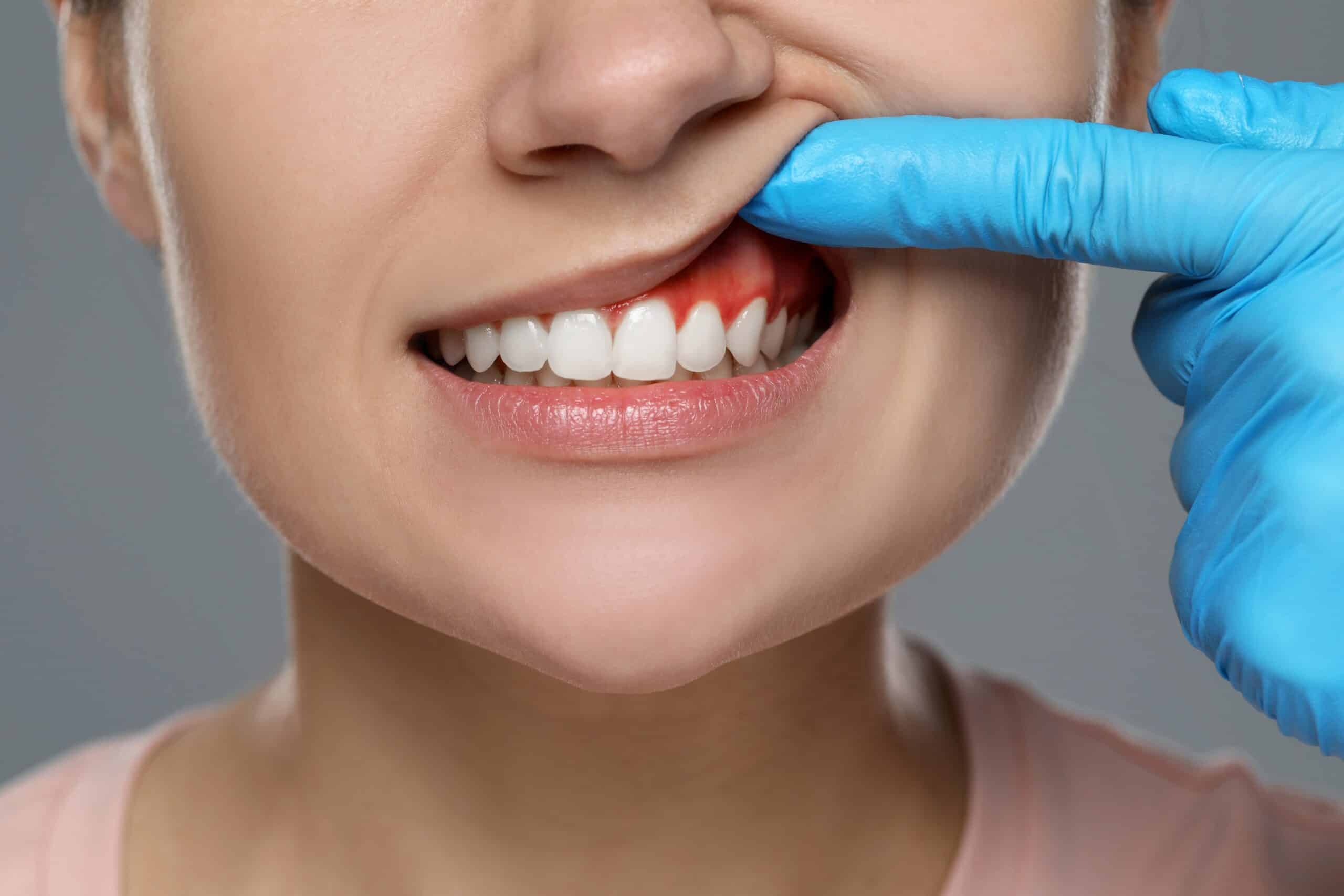
Teeth clenching is far more common than you’d think. It often happens during sleep or moments of stress and most people are unaware it’s even occurring. Over time, it can place excessive pressure on the teeth and jaw, leading to discomfort, damage and ongoing oral health concerns.
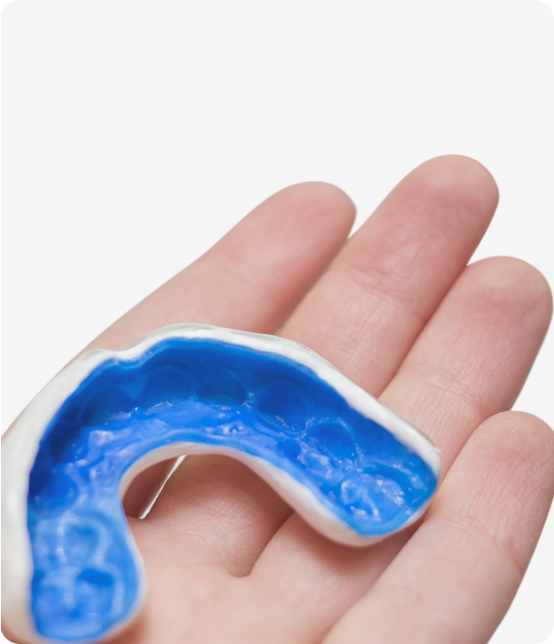
A mouthguard for clenching helps shield your teeth from excessive pressure and eases jaw stress before long term damage occurs.
In this article, we’ll explain how teeth clenching affects your oral health, what causes it and the treatment options available to help protect your smile and improve everyday comfort.
What Is Teeth Clenching (Bruxism)?
Teeth clenching, also known as bruxism, occurs when the upper and lower teeth are pressed tightly together, often for extended periods. Some people clench during the day, particularly when concentrating or feeling stressed, while others clench or grind their teeth at night as they sleep.
Night-time clenching is especially common because the body continues the habit unconsciously. Many people only discover the issue after noticing jaw pain, worn teeth or being told by a partner that they grind their teeth during sleep.
Common Signs You May Be Clenching Your Teeth
Clenching does not always cause immediate pain, which is why it often goes unnoticed. A common sign is waking with jaw tightness or soreness that improves as the day goes on. Some people experience frequent headaches, ear pain, facial fatigue and even neck and upper back discomfort, especially after stressful days.
Over time, clenching can cause visible wear on the teeth. Teeth may become flattened, chipped, cracked or increasingly sensitive to hot and cold. These changes often develop gradually, making early detection important.
What Causes Teeth Clenching?
Stress and anxiety are leading contributors to clenching. Many people tense their jaws during busy workdays, emotional situations or while sleeping after stressful periods. Poor sleep quality and sleep disorders can also increase the likelihood of night-time clenching.
Furthermore, dental factors can play a role. Bite alignment issues, missing teeth or uneven contact between teeth may cause the jaw to work harder, increasing clenching habits without the person realising it.
Why Teeth Clenching Shouldn’t Be Ignored
Clenching places constant pressure on the teeth, which can weaken enamel and damage existing dental work over time. Crowns, fillings and veneers are especially vulnerable if left untreated.
The jaw joints can also be affected. Ongoing strain may contribute to jaw joint discomfort or temporomandibular joint (TMJ)-related symptoms, including clicking, locking or pain when opening the mouth. Left unmanaged, clenching can lead to chronic discomfort that interferes with daily life, sleep and overall wellbeing.
How A Mouthguard For Clenching Works
A mouthguard for clenching is usually fitted to sit on the upper teeth, creating a protective barrier that limits direct contact with the lower teeth when clenching occurs. This helps distribute pressure more evenly across the bite and reduces stress on both the teeth and jaw.
As a result, strain on the jaw muscles is eased and ongoing tooth wear is minimised. Many patients notice improved jaw comfort and fewer morning headaches once clenching pressure is reduced during sleep.
Types Of Mouthguards For Teeth Clenching
Custom-fitted dental mouthguards are designed specifically for your bite. These guards sit securely, feel comfortable and provide reliable protection night after night.
Store-bought or boil-and-bite guards are also available, though they often lack precision fit. While they may offer short-term relief, differences in comfort and effectiveness can affect long-term use and protection.
Custom Mouthguard vs Store-bought Options
A dentist-made mouthguard is shaped to fit your teeth precisely, allowing it to stay in place without bulk or irritation. This improves comfort and encourages consistent use, which is essential for managing clenching.
Custom guards are also more durable and designed to withstand repeated pressure. In the long term, they offer better protection for both teeth and jaw health compared to generic alternatives.
Other Treatment Options For Teeth Clenching
In some cases, addressing stress triggers through lifestyle changes can help reduce clenching. Improving sleep routines, managing workload or learning relaxation techniques may ease symptoms over time.
Dental treatment may also be recommended if bite alignment issues are contributing to clenching. Ongoing monitoring allows your dentist to track changes and adjust treatment as needed.
When To See A Dentist For Teeth Clenching
Persistent jaw pain, regular headaches or noticeable tooth wear are signs it’s time to seek professional advice. If clenching is affecting sleep quality or daily comfort, early assessment can prevent further damage.
A dentist can assess your bite, examine tooth wear and recommend appropriate protection based on your needs. If you are looking for mouthguards Gosnells, contacting our team allows you to receive personalised care and guidance before long term issues develop.
Protecting Your Teeth With The Right Mouthguard
Teeth clenching often develops without obvious warning, but the impact on your teeth, jaw and general health can build over time. Recognising the signs early and understanding what causes clenching allows treatment to begin before long term damage occurs.
Working with an experienced cosmetic dentist Gosnells ensures your care is tailored to your bite, comfort and daily routine. A mouthguard for clenching provides dependable protection when worn consistently, helping reduce strain and protect your smile.
If jaw pain, headaches or worn teeth are affecting you, professional support can make a real difference. Contact Tandara Dental today to book a consultation and explore custom mouth guard options.