
The wealth of experience at Tandara Dental Centre tells us that sleep apnoea is a serious condition that interrupts breathing during sleep, reducing sleep quality and affecting overall health.
Those living with sleep apnoea often wake feeling tired, foggy and irritable, even after a full night’s rest. If left untreated, it may contribute to high blood pressure, heart disease and poor concentration. Many people remain undiagnosed because symptoms such as snoring and fatigue are often dismissed as stress or ageing. In reality, obstructive sleep apnea (OSA) is far more common than many realise.
At Tandara Dental, our team helps identify and manage sleep-related breathing issues. As a trusted dentist Gosnells patients rely on, we can assess oral signs linked to sleep disorders and recommend suitable sleep apnoea treatment options.
What Is Sleep Apnoea?
Definition of Sleep Apnoea and How it Affects Breathing During Sleep
Sleep apnoea occurs when breathing repeatedly stops and starts during sleep. These interruptions reduce oxygen levels and disrupt restorative sleep.
Difference Between Obstructive and Central Sleep Apnoea
Obstructive sleep apnea (OSA) happens when throat tissues block the airway. Central sleep apnoea occurs when the brain fails to send proper breathing signals.
Why Dentists Most Commonly Treat Obstructive Sleep Apnoea
Dentists commonly help treat OSA because jaw position, tongue placement and oral structures all influence airflow during sleep.
Common Signs And Symptoms Of Sleep Apnoea
Loud Snoring, Gasping or Choking During Sleep
Frequent loud snoring, choking sounds, sudden snorts or pauses – both long and short – in breathing are common warning signs.
Daytime Fatigue, Headaches and Poor Concentration
Interrupted sleep has a knock-on effect the following day, often causing daytime tiredness, headaches, irritability and trouble focusing.
Dry Mouth or Sore Jaw Upon Waking
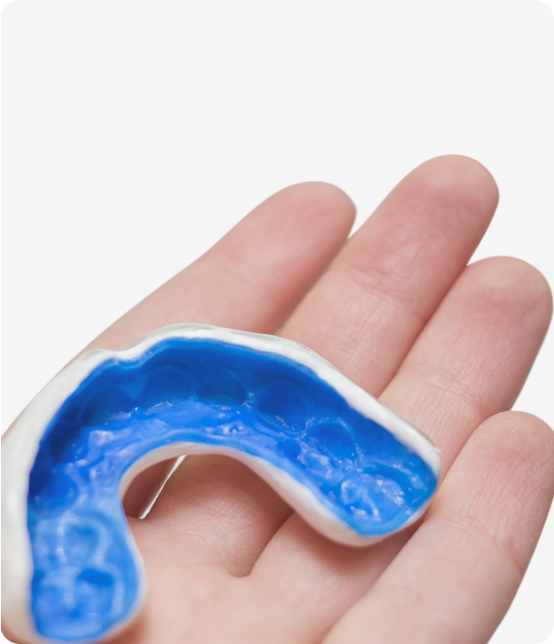
Some people wake with a dry mouth, jaw pain or teeth grinding. A sore jaw can be due to teeth clenching during sleep, for which the use of a mouthguard is indicated. However, patients seeking a mouthguard or who wake with a dry mouth (from inhaling through their mouths) may actually have underlying sleep apnoea that we can assess.
How Dentists Identify Sleep Apnoea
Reviewing Medical History and Sleep-related Symptoms
Dentists begin by discussing symptoms such as snoring, poor sleep and fatigue. We will assess the degree of the challenge and potential solutions.
Examining the Airway, Jaw Position and Oral Structures
An oral examination may reveal restricted airway space, jaw alignment concerns or signs linked to sleep apnoea causes.
Referral for Sleep Studies When Required
If needed, patients may be referred for a sleep study and diagnosis through a GP or sleep specialist. Our trained experts will be able to make an assessment of this prior to referral.
The Role Of Dentists In Sleep Apnoea Treatment
Providing Non-invasive Treatment Options
Potentially, our dentists can provide comfortable oral appliances as a non-invasive sleep apnoea treatment option.
Monitoring Oral Health Related to Sleep Disorders
Dental professionals like ours here at Tandara Dental Centre also monitor tooth wear, grinding, jaw pain and dry mouth associated with poor sleep.
Working Alongside Sleep Specialists and GPs
At Tandara Dental, we work closely with medical professionals to support long-term management of obstructive sleep apnea (OSA).
What Is A Dental Sleep Apnoea Appliance?
Custom-made Oral Device Worn During Sleep
A dental sleep apnoea appliance is a custom-made device worn overnight. This is designed to help guide and maintain a comfortable, natural breathing practice.
Helps Keep the Airway Open by Adjusting Jaw Position
The appliance gently moves the lower jaw forward in a comfortable fashion to reduce airway blockage.
Comfortable Alternative to Other Treatments
In our experience, many patients find dental devices quieter, smaller and easier to use than other treatments.
How Dental Mouth Guards Help With Sleep Apnoea
Prevent Airway Blockage by Repositioning the Lower Jaw
By supporting jaw position, dental appliances help prevent airway collapse that often occurs intermittently through the night.
Reduce Snoring and Improve Airflow
Improved airflow may reduce snoring and breathing interruptions that cause a temporary interruption in steady breathing and other symptoms.
Support Better Sleep Quality and Overall Health
We all know how good a restful night’s sleep can be. It can improve mood, energy, concentration and overall well-being.
Dental Appliance Vs CPAP: Key Differences
CPAP Uses Air Pressure, Dental Devices Reposition the Jaw
There is a distinct difference between CPAP machines and dental appliances. CPAP machines use pressurised air, while dental appliances reposition the jaw.
Comfort and Ease of Use Comparison
Many patients prefer dental devices because they are compact, portable and quieter. Generally, these are easier to use and maintain.
Suitability Based on the Severity of the Condition
Adapting the use of a CPAP machine may still suit severe cases where more heavy-duty equipment makes sense, while mild to moderate sleep apnoea may respond well to devices centred around dental care and jaw adjustment.
Good Candidates For Dental Sleep Apnoea Treatment
Patients with Mild to Moderate Obstructive Sleep Apnoea
What many patients don’t realise is that dental appliances are commonly recommended for mild to moderate obstructive sleep apnea (OSA).
Those Who Cannot Tolerate CPAP Machines
For some people, CPAP machines can be difficult to manage and to get comfortable with, so alternative methods may also help patients who struggle with CPAP discomfort.
Individuals Seeking a More Comfortable, Portable Solution
Often, patients need a convenient and travel-friendly option that provides more portability. The portability factor is one of the benefits provided by dental appliances from our Gosnells dental clinic.
Benefits Of Dental Treatment For Sleep Apnoea
Improved Sleep Quality and Reduced Fatigue
In our experience, effective treatment can and does, improve sleep, reduce fatigue and increase daily energy for our patients.
Better Oral Health and Reduced Teeth Grinding
From a dental perspective, addressing sleep apnoea causes may also reduce teeth grinding, jaw pain and tooth wear.
Convenient and Easy-to-use Solution
When assessed properly and fitted correctly, dental appliances are easy to wear, simple to maintain and suitable for long-term use.
If you think you may be suffering from the symptoms of sleep apnoea and want to learn more about treating it, then book an appointment with our experts here at Tandara Dental Centre.