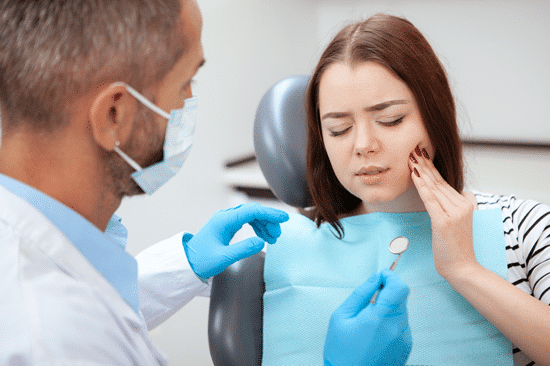
Dental problems can happen suddenly, and it is not always easy to know whether something can wait or needs urgent attention. A toothache, facial swelling, chipped tooth or sudden bleeding may seem manageable at first, but delaying treatment can allow the problem to become more painful, more complex or harder to treat.
At Tandara Dental, we understand how stressful unexpected dental pain or injury can be. If you are looking for an emergency dentist in Gosnells, our experienced team offers local care, extended business hours and a convenient location on Albany Highway.
Below, we explain 10 warning signs that may need urgent dental care, what they can mean, and when to contact a dentist.
What Is a Dental Emergency?
A dental emergency is any dental problem that needs urgent attention because it involves severe pain, infection, bleeding, swelling, trauma or the risk of losing a tooth. These situations should not be left to wait and see, especially if symptoms are getting worse or affecting your ability to eat, sleep, speak or open your mouth properly.
Not every dental issue is an emergency. A small chip with no pain, mild sensitivity, or a routine check-up concern may be able to wait for a standard appointment. However, sudden, intense or worsening symptoms should always be taken seriously.
If you are unsure, it is safest to call a dentist for advice. A dentist can help you decide whether the issue needs urgent care or a routine appointment.
Why Prompt Treatment Is Critical for Oral Health
Dental problems can progress quickly. Pain, swelling, bleeding or tooth damage may become more complex if treatment is delayed. Early assessment can help identify the cause, reduce the risk of infection and protect the affected tooth where possible.
1. Severe Toothache That Won’t Go Away
A persistent, throbbing or worsening toothache should not be ignored. It may be linked to deep decay, nerve irritation or infection inside the tooth, especially if the pain affects your sleep, eating or daily comfort.
2. Swelling in the Gums, Face, or Jaw
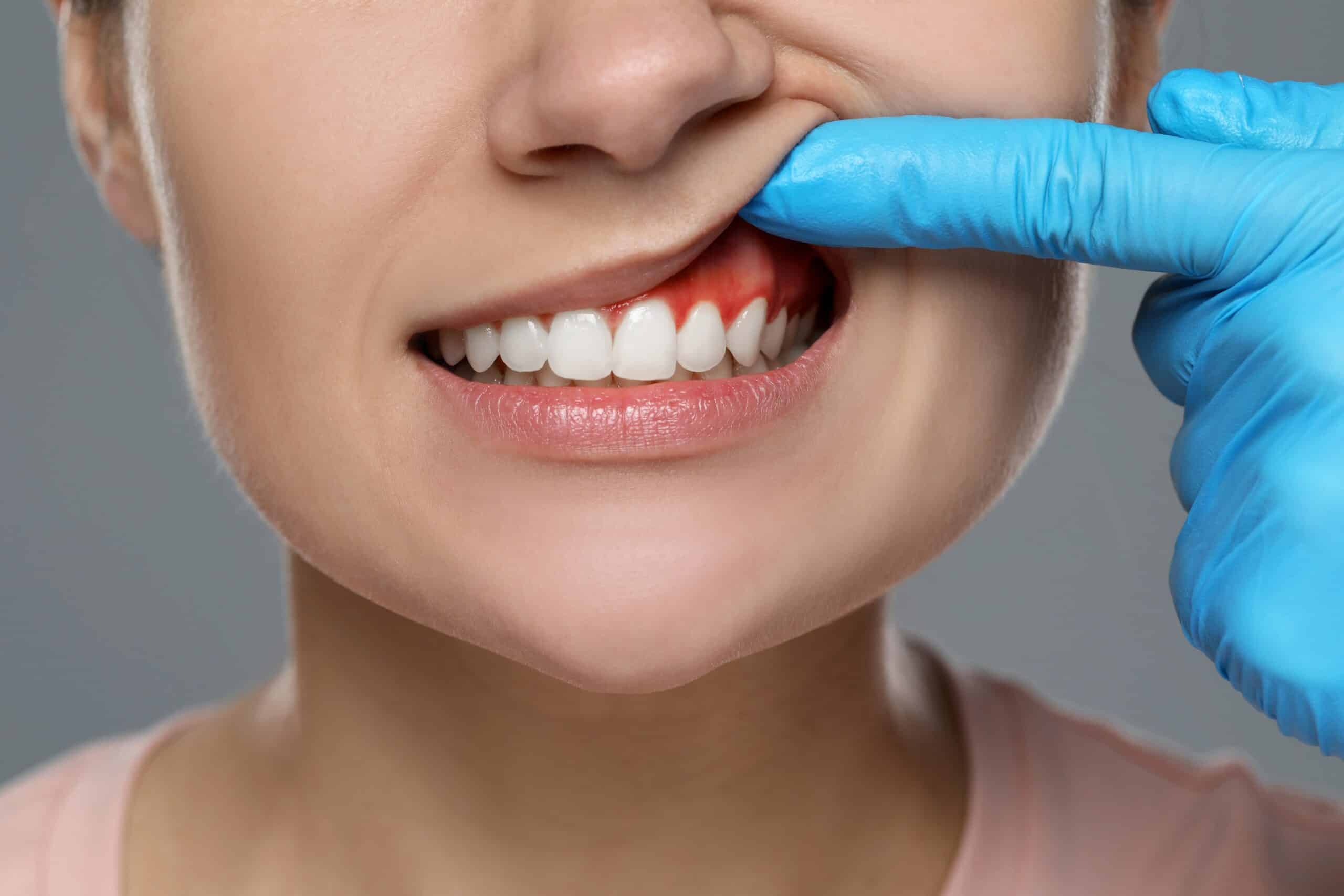
Swelling around the gums, face or jaw can be a sign of infection or a dental abscess. If the swelling is spreading, feels warm, or is accompanied by pain, fever or feeling generally unwell, do not wait for it to settle on its own.
3. Knocked-Out Tooth
A knocked-out adult tooth is a time-sensitive dental emergency. Contact a dentist immediately, avoid touching the root of the tooth, keep it moist in milk, or saliva if safe to do so, and get professional help as soon as you can.
4. Cracked, Broken, or Chipped Tooth
A cracked, broken or chipped tooth should be assessed, even if it does not hurt straight away. Damage can expose the inner layers of the tooth, increase sensitivity and leave the tooth more vulnerable to further cracking or infection.
5. Bleeding That Doesn’t Stop
Bleeding after a mouth injury, tooth removal or dental procedure should slow with gentle pressure. If bleeding continues, becomes heavy, or is difficult to control, it needs urgent attention.
6. Signs of a Dental Abscess
A dental abscess is an infection that can form around the tooth or gum. Warning signs may include swelling, pus, a bad taste in the mouth, severe pain, fever or tenderness when chewing. An abscess usually needs dental treatment and should not be left to settle on its own.
7. Loose Adult Tooth
Adult teeth should not suddenly become loose. If a permanent tooth feels wobbly, moves when touched, or has shifted after an injury, it may be linked to trauma, gum disease, infection or damage around the tooth.
8. Sudden Tooth Sensitivity or Pain When Biting
Sudden sensitivity or sharp pain when biting can point to a cracked tooth, deep decay, an exposed nerve or an issue with an existing filling or crown. Because the cause is not always visible, it is worth having the tooth checked before the problem becomes more painful or harder to treat.
9. Jaw Pain or Difficulty Opening Your Mouth
Jaw pain, stiffness or difficulty opening your mouth can happen for many reasons, including jaw joint issues, injury, inflammation or infection. If the pain is sudden, worsening, or occurs with swelling or fever, it is important to seek dental advice.
10. Lost Filling, Crown, or Dental Restoration
A lost filling, crown or dental restoration can leave the tooth underneath exposed, causing sensitivity, discomfort or further damage. Temporary solutions may help briefly, but they are not a replacement for having the tooth checked. If a restoration comes loose or falls out, book an appointment with a dentist in Gosnells.
What to Do in a Dental Emergency
If you think you may have a dental emergency, contact a dentist immediately. This is especially important if you have severe pain, swelling, bleeding, a knocked-out tooth or signs of infection. Even if you are unsure how serious the issue is, a dental team can help you understand what to do next.
While you are arranging care, these simple first-aid steps may help:
- For a knocked-out adult tooth, avoid touching the root, keep the tooth moist and contact a dentist straight away.
- For swelling, use a cold compress on the outside of the face and seek dental advice promptly.
- For bleeding, apply gentle pressure with clean gauze or a clean cloth.
- For a broken or chipped tooth, avoid chewing on that side and keep any broken pieces if possible.
- For a lost filling or crown, avoid hard or sticky foods until the tooth can be assessed.
If you have facial swelling that is spreading quickly, difficulty breathing, trouble swallowing, or feel very unwell, seek urgent medical help immediately.
Tandara Dental offers emergency dental care in Gosnells, with extended business hours and free parking next to the clinic. You can call ahead for advice, and walk-in patients are welcome for oral care concerns.
How to Prevent Dental Emergencies
Not every dental emergency can be prevented, especially when accidents happen. However, regular dental check-ups can help identify early signs of decay, gum disease, cracks, worn fillings or other concerns. Tandara Dental supports prevention through check-ups, professional cleans and early intervention, helping patients manage small issues before they become more serious.
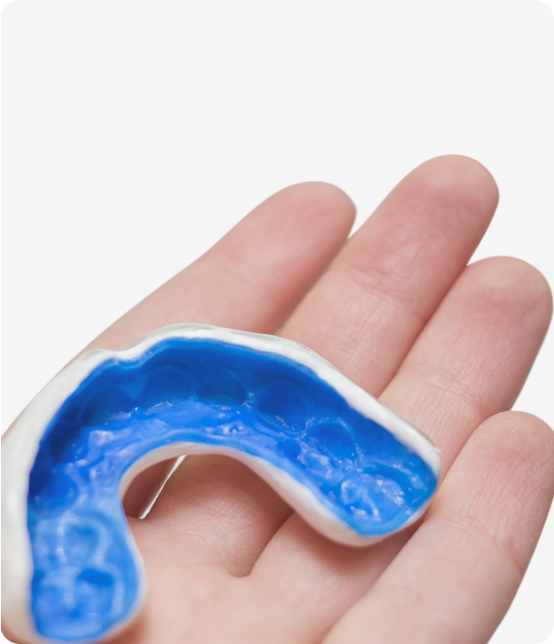
If you or your child plays contact sport, a custom mouthguard can help protect the teeth, lips and jaw from injury. Sporting accidents are a common cause of chipped, broken or knocked-out teeth, so the right protection can make a real difference.
Good oral hygiene also plays an important role. Brushing twice a day, flossing regularly, limiting sugary snacks and drinks, and booking an appointment when something feels different, such as new sensitivity, bleeding gums or pain when biting, can help reduce the risk of urgent dental problems.
Don’t Ignore the Warning Signs
Dental pain, swelling, bleeding or sudden tooth damage should never be ignored. Early action may help save your tooth, reduce discomfort and prevent a small issue from becoming a more complex dental problem.
At Tandara Dental, patients are cared for by Dr Saurabh Rai and an experienced team that has supported the Gosnells community for over 30 years. Whether you are dealing with sudden pain, a broken tooth, swelling or another urgent concern, we can help you understand what needs to happen next.
Experiencing any of these warning signs? Don’t wait.
Delaying treatment can lead to serious complications and more complex dental issues. Contact Tandara Dental immediately to book an urgent appointment.