Teeth grinding and clenching are both forms of bruxism, a common habit that can happen while you are awake or asleep. Although the two are often talked about as if they are the same thing, they place pressure on the teeth and jaw in different ways.
Grinding usually involves moving the teeth against each other, while clenching means holding the teeth tightly together with little or no movement. Over time, either habit can contribute to tooth wear, sensitivity, jaw discomfort and other dental problems.
Recognising the signs early can help limit further damage and make it easier for a dentist to recommend the right treatment or protection for your teeth.
What Is Teeth Grinding?
Teeth grinding is a form of bruxism where the upper and lower teeth rub or grind against each other. It often involves repeated jaw movement, including side-to-side movement, which can place ongoing pressure on the teeth.
Grinding commonly happens during sleep, which means many people may not realise they are doing it. In some cases, a partner may notice the grinding sounds before the person becomes aware of any symptoms themselves.
Over time, repeated grinding can gradually wear down the tooth surfaces and contribute to sensitivity or other signs of dental wear.
What Is Teeth Clenching?
Teeth clenching is another form of bruxism, but instead of grinding the teeth together, it involves holding the upper and lower teeth tightly against each other with little or no movement.
Clenching can happen during sleep, but it is also common during periods of stress, concentration or tension. Because it can happen without making any noise, it may be harder to notice than grinding.
Repeated clenching can place significant pressure on the teeth and jaw muscles, which may contribute to morning jaw stiffness, facial tension or tooth discomfort over time.
Teeth Grinding vs Clenching: Key Differences
The main difference between grinding and clenching is movement versus pressure.
When you grind your teeth, the jaw moves and the teeth rub against each other. This can gradually wear down or flatten parts of the tooth surface. Clenching, on the other hand, involves holding the teeth firmly together without the same grinding movement, placing sustained pressure on the teeth and jaw.
The symptoms can also feel different. Grinding may be more noticeable through tooth wear, sensitivity or grinding noises at night, while clenching is often linked with jaw tightness, facial tension or morning headaches.
Both can place stress on your teeth and jaw over time, which is why recognising the difference can help guide the right approach to bruxism treatment.
Common Signs of Teeth Grinding
Because teeth grinding often happens during sleep, the signs may be easier to notice in your teeth than in the habit itself.
Common signs can include:
- Teeth that look worn, flattened or chipped
- Increased tooth sensitivity, particularly if the outer tooth surface has been worn down
- Grinding or scraping noises during sleep, sometimes noticed by a partner
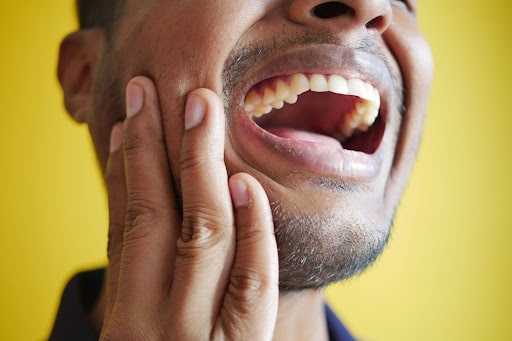
- Jaw or facial discomfort after waking
- Sleep that feels disturbed or less restful
Not everyone with sleep bruxism will have obvious symptoms, so changes in tooth wear or unexplained sensitivity can sometimes be an important clue.
Common Signs of Teeth Clenching
Teeth clenching can be harder to notice because there is usually no grinding noise or obvious jaw movement. Instead, the symptoms are often related to muscle tension and sustained pressure.
Common signs can include:
- Jaw pain or stiffness, especially after waking
- Morning headaches
- Tightness or tension around the jaw, cheeks or temples
- Tooth discomfort or tenderness when biting
- A feeling of pressure in the teeth or jaw
These symptoms can overlap with other dental or jaw problems, so ongoing discomfort is worth having checked by a dentist rather than assuming clenching is the cause.
What Causes Teeth Grinding and Clenching?
There is not always one clear cause of teeth grinding or clenching. Several factors can contribute, and the triggers may be different from one person to another.
Stress and anxiety are commonly associated with awake clenching and may also contribute to bruxism during sleep. Sleep-related grinding can also occur alongside disrupted sleep or certain sleep disorders.
Dental factors may sometimes influence how pressure is distributed across the teeth, but problems with the bite are not necessarily the main cause of bruxism. This is why a dentist will usually consider your symptoms, tooth wear, jaw function, sleep and lifestyle rather than focusing on one possible trigger alone.
Why It Matters: Risks of Ignoring Bruxism
Occasional grinding or clenching may not cause noticeable problems, but repeated bruxism can place significant stress on the teeth, jaw muscles and jaw joints over time.
Possible complications can include:
- Excessive tooth wear, chips, cracks or fractures
- Increased sensitivity as tooth surfaces become worn
- Ongoing jaw pain or stiffness
- Irritation or discomfort around the temporomandibular joints (TMJ)
- Damage to existing fillings, crowns or other dental restorations
If signs of wear or discomfort are present, an early dental assessment can help identify damage before it progresses and allow you to discuss ways to protect your teeth.
How Dentists Diagnose Grinding vs Clenching
A dentist will usually look at several clues rather than relying on a single symptom.
This may include checking the teeth for unusual wear, flattening, chips or cracks, as well as assessing the jaw muscles and joints for tenderness or stiffness. Your dentist may also ask about symptoms such as morning headaches or jaw discomfort, along with stress, sleep habits and whether anyone has heard you grinding your teeth at night.
If sleep-related bruxism or another sleep issue is suspected, further assessment may sometimes be recommended. The goal is to understand what may be contributing to the problem and whether your teeth or jaw are already showing signs of strain.
Treatment Options for Teeth Grinding and Clenching
The right bruxism treatment depends on your symptoms, what your dentist finds during an oral examination and what may be contributing to the grinding or clenching.
A dentist may recommend a custom-fitted mouthguard or dental splint to help protect the teeth from ongoing grinding or clenching. A professionally fitted mouth guard for clenching is designed around your bite and can help reduce direct tooth-to-tooth contact while you sleep.
If stress or tension appears to be contributing, relaxation techniques, improving sleep habits or other stress-management strategies may also be helpful.
Where damaged teeth or another dental problem needs attention, your dentist can discuss appropriate treatment. The aim is not simply to manage the symptoms, but to protect your teeth and address contributing factors where possible.
How a Mouth Guard Helps Protect Your Teeth
A mouthguard or dental splint creates a protective barrier between the upper and lower teeth. This helps reduce direct tooth-to-tooth contact when you grind or clench during sleep.
By cushioning and distributing some of the forces involved, a properly fitted guard can help protect tooth surfaces from further wear, chips and other damage. It may also help some people manage jaw discomfort, although results can vary depending on the cause and severity of the bruxism.
A mouthguard does not necessarily stop the grinding or clenching itself. Its main role is to protect your teeth while the underlying causes and other treatment options are considered.
When to See a Dentist
It is worth seeing a dentist if grinding or clenching is causing ongoing discomfort or you are noticing changes in your teeth.
Book an appointment if you have:
- Persistent jaw pain, stiffness or recurring headaches
- Visible tooth wear, chips or cracks
- Increased tooth sensitivity
- Symptoms that are affecting your sleep or daily comfort
At Tandara Dental in Gosnells, a dentist can examine your teeth for signs of wear or damage, discuss your jaw symptoms and other possible contributing factors, and recommend appropriate next steps based on what they find.
Protecting Your Smile from Grinding and Clenching
Grinding and clenching are both forms of bruxism, but they affect the teeth and jaw in different ways. Grinding involves movement between the teeth, while clenching places sustained pressure on them.
Either habit can contribute to tooth wear, sensitivity, jaw discomfort and damage over time. The earlier the signs are identified, the sooner you can take steps to protect your teeth and manage any contributing factors.
If you are waking with jaw pain, noticing changes in your teeth or think you may be grinding or clenching at night, professional advice can help clarify what is happening.
Tandara Dental has cared for patients in Gosnells and surrounding suburbs for over 30 years. Led by Dr Saurabh Rai and an experienced dental team, the clinic focuses on prevention, clear explanations and personalised treatment planning.