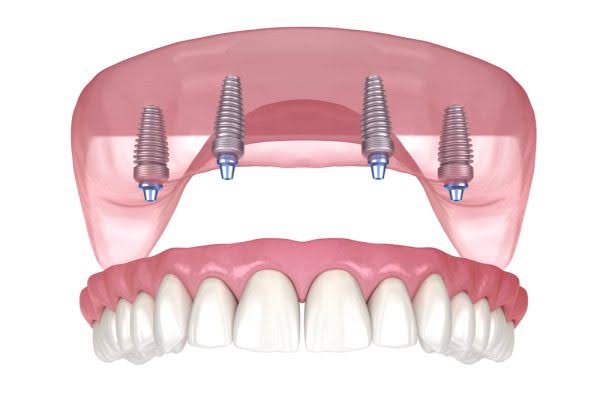
Losing most of your teeth, or living with dentures that move when you eat, can make everyday activities difficult. All-on-X implants replace a full upper or lower arch of teeth with a fixed bridge supported by dental implants placed in the jaw.
This treatment may be an option for people with extensive tooth loss, badly damaged teeth or removable dentures that no longer suit their needs.
If you’re considering All-on-X implants in Perth, here’s what to know about suitability, treatment and recovery.
What Are All-on-X Implants?
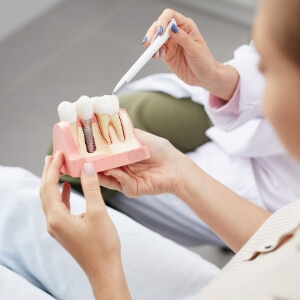
All-on-X is a type of full arch dental implant treatment. Instead of replacing each missing tooth with its own implant, All-on-X uses a fixed bridge supported by four to six implants strategically positioned in the jawbone.
Unlike traditional dentures, which rest on the gums and can be removed at home, a fixed All-on-X bridge stays attached to the implants. Some implant-supported dentures are also removable, so it’s important to understand which type of restoration is being recommended.
Single dental implants are different again. They usually replace one missing tooth with an individual crown.
For patients replacing fewer teeth, other dental implant options may be more appropriate.
All-on-X vs All-on-4: What’s the Difference?
All-on-4 dental implants use four implants to support a full arch of replacement teeth. All-on-X is a broader term because the number of implants can vary, often between four and six.
More implants are not automatically better. The right number and placement depend on factors such as bone volume, bite forces and the planned bridge. A dentist needs to assess these before recommending an approach.
Who Is a Good Candidate for All-on-X Implants?
All-on-X may suit people who have lost most or all of their teeth in one jaw, have teeth that cannot be saved because of severe decay or gum disease, or want a fixed alternative to removable dentures.
Suitability depends on more than the number of missing teeth. Your dentist will check:
- Jawbone: There needs to be adequate bone in suitable locations to support the implants.
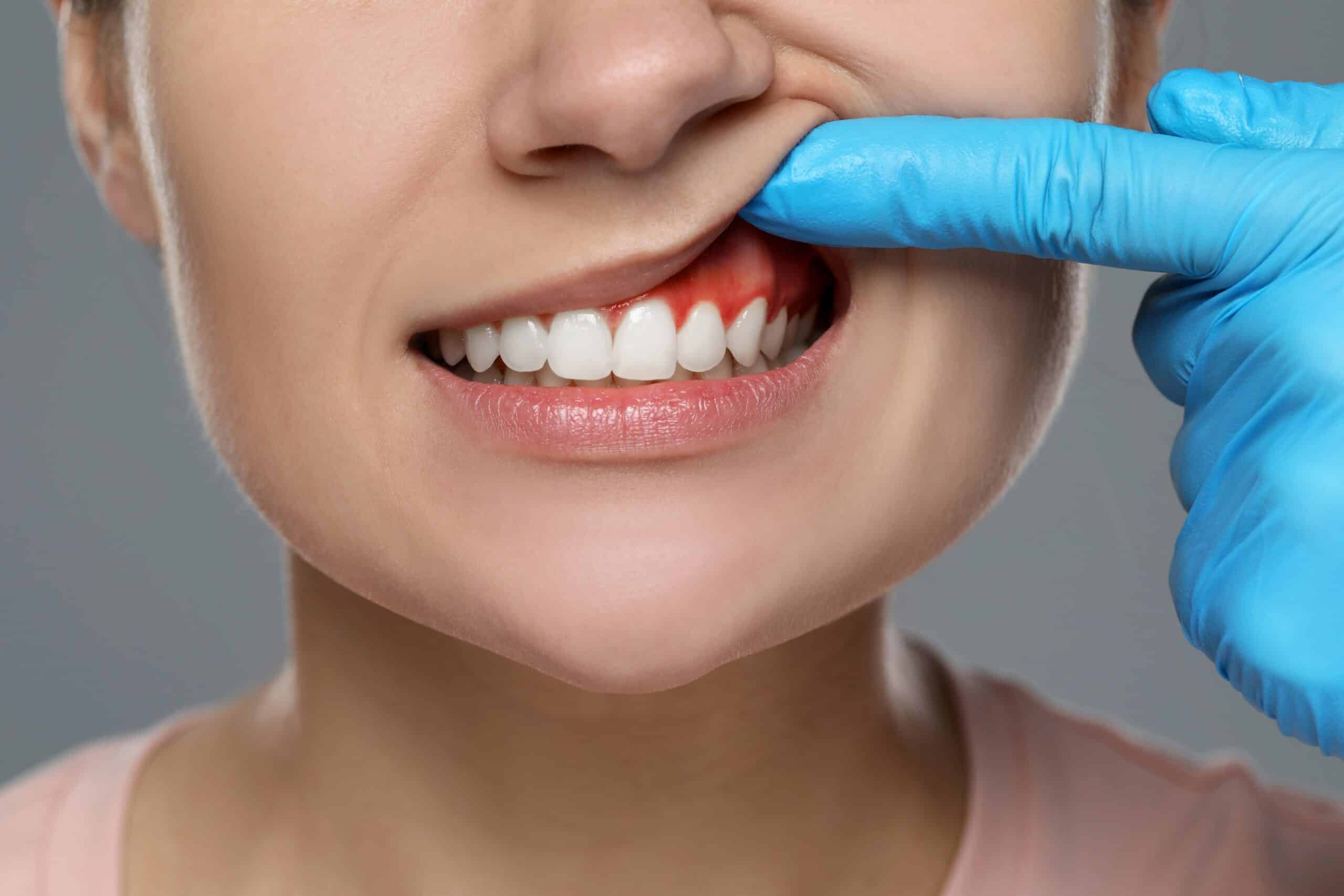
- Gum health: Active gum disease or infection may need treatment before surgery.
- General health: Medical conditions, medications and smoking can influence healing and implant outcomes.
Full mouth dental implants may be considered when both arches need replacing, but All-on-X can also treat just one arch. If some natural teeth can be saved, your dentist should discuss the options before recommending extraction.
The All-on-X Treatment Process: Step by Step
Before placing dental implants, your dentist needs to assess the available jawbone and determine suitable implant positions. A CBCT scan provides detailed 3D images to help with this planning. Tandara Dental has an in-house CBCT scanner, allowing patients to have their scans completed at the Gosnells clinic.
- Consultation and imaging: Your dentist examines your teeth and gums, reviews your medical history and assesses the jawbone.
- Treatment plan: You’ll discuss the proposed number of implants, any necessary extractions, treatment stages, costs and expected healing time.
- Implant placement: Teeth that cannot be retained may be extracted before or during a planned surgical stage. The implants are placed in the jawbone, generally with local anaesthetic.
- Temporary teeth: Your dentist will explain how your teeth will be replaced while the implants heal. A temporary fixed bridge may be possible for some patients, depending on implant stability and their individual treatment plan.
- Final bridge: Once healing is sufficient, a custom-made bridge is fitted and adjusted for your bite.
Some people require additional treatment or healing time before implants can be placed, so the number of appointments varies.
Recovery and Healing After All-on-X Surgery
Swelling, tenderness, mild bleeding and bruising can occur in the first few days. Your dentist will explain how to manage discomfort, clean around the surgical areas and recognise symptoms that need attention.
You’ll usually need soft foods while the area heals. Options might include yoghurt, scrambled eggs and mashed vegetables. Avoid hard or chewy foods until your dentist advises that it’s safe, particularly if you’re wearing temporary teeth.
The deeper healing process takes longer. Osseointegration is when the jawbone grows around the implants, helping hold them securely in place. This commonly takes around 3–6 months, although your own timeline may differ. Your dentist will review healing before fitting the final bridge.
Contact your dentist promptly if pain or swelling increases, you develop a fever, or bleeding does not settle. Seek emergency medical care if swelling affects your breathing or swallowing.
Benefits of All-on-X Implants
For suitable patients, the main benefits relate to everyday comfort and function:
- More stable chewing: A fixed bridge can improve biting and chewing once healing is complete.
- Greater confidence when speaking: Replacement teeth that stay in place may feel more secure than loose dentures.
- A natural-looking smile: The bridge is made to suit your mouth and appearance.
- Less denture movement: Because the bridge is attached to implants, it won’t slip like a loose removable denture.
- Support for the jawbone: Implants help transfer chewing forces to the bone, which may reduce bone loss around the implant sites.
Results vary, and implant treatment involves surgery, healing time and ongoing maintenance.
Caring for Your All-on-X Implants Long Term
Replacement teeth cannot develop tooth decay, but the gums and tissues around implants can still become inflamed or infected. Thorough cleaning is important, especially beneath the bridge where food and plaque can collect.
- Brush twice daily with a soft-bristled toothbrush, paying attention to the gumline.
- Clean under the bridge using tools recommended by your dentist, such as special floss, interdental brushes or a water flosser.
- Attend regular dental check-ups so the team can examine the implants, assess your gums and professionally clean hard-to-reach areas.
- Avoid smoking and chewing hard objects, such as ice or pen lids, which can increase the risk of complications or damage.
Ask your dentist to show you how to clean beneath your particular bridge, as the best tools and cleaning technique can depend on its design.
Book an All-on-X Consultation at Tandara Dental
A consultation is the best way to find out whether All-on-X is suitable or whether another tooth replacement option would better protect your oral health.
Tandara Dental has cared for patients in Gosnells for more than 30 years. Dr Saurabh Rai completed a Master’s in Implantology at Goethe University Frankfurt in 2023, and the clinic has an in-house CBCT scanner to assist with assessment and planning.
During your visit, the team can explain your options, likely treatment stages, estimated costs and available payment plans.
To discuss All-on-X implants in Gosnells, book a consultation with Tandara Dental at 2194 Albany Highway or call (08) 9398 5005.